


Europe is treating Trump’s seizure of Nicolás Maduro as an uncomfortable anomaly—an ugly means deployed for a goal many in Europe quietly share: the end of a brutal Venezuelan dictatorship. But Europe’s timidity is not prudence. It is a historic folly.
By refusing to confront the method—an abduction and regime seizure justified by a self-serving “self-defence” theory—European leaders are normalising a world where power replaces law, and where Europe’s security depends not on institutions it helped build, but on the moods of stronger men.
This was not simply a crisis in Latin America. It was also a stress test for the European Union’s claim to be a “normative power,” a geopolitical actor anchored in international law. The EU famously had failed the test on Israel’s overreaction to Gaza. Now on the evidence so far, it seems to failed another test, this time, on Venezuela.
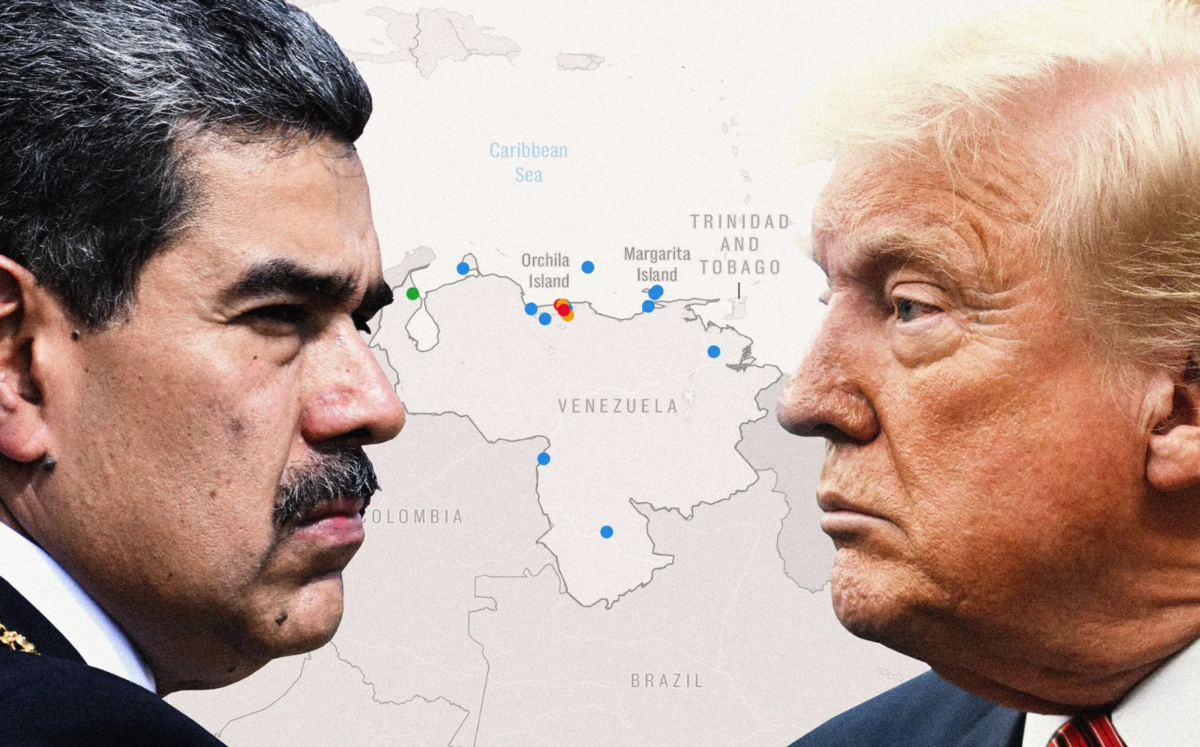
Agrandissement : Illustration 1
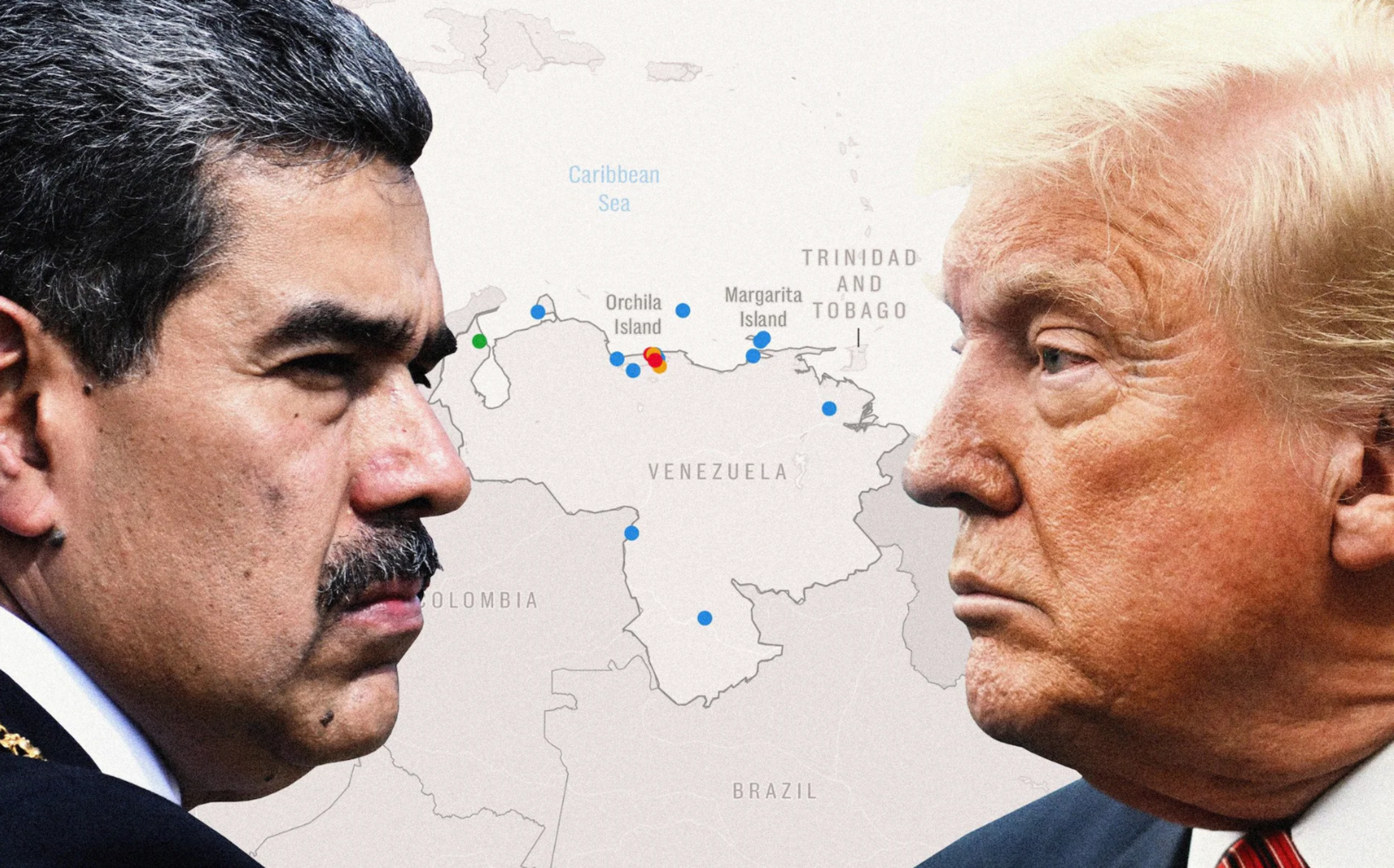
European reactions clustered around three instincts: celebrate Maduro’s fall, avoid validating Trump’s illegality, and above all avoid provoking Washington. That combination produced statements that were simultaneously moralising and evasive—carefully worded to sound principled without incurring cost.
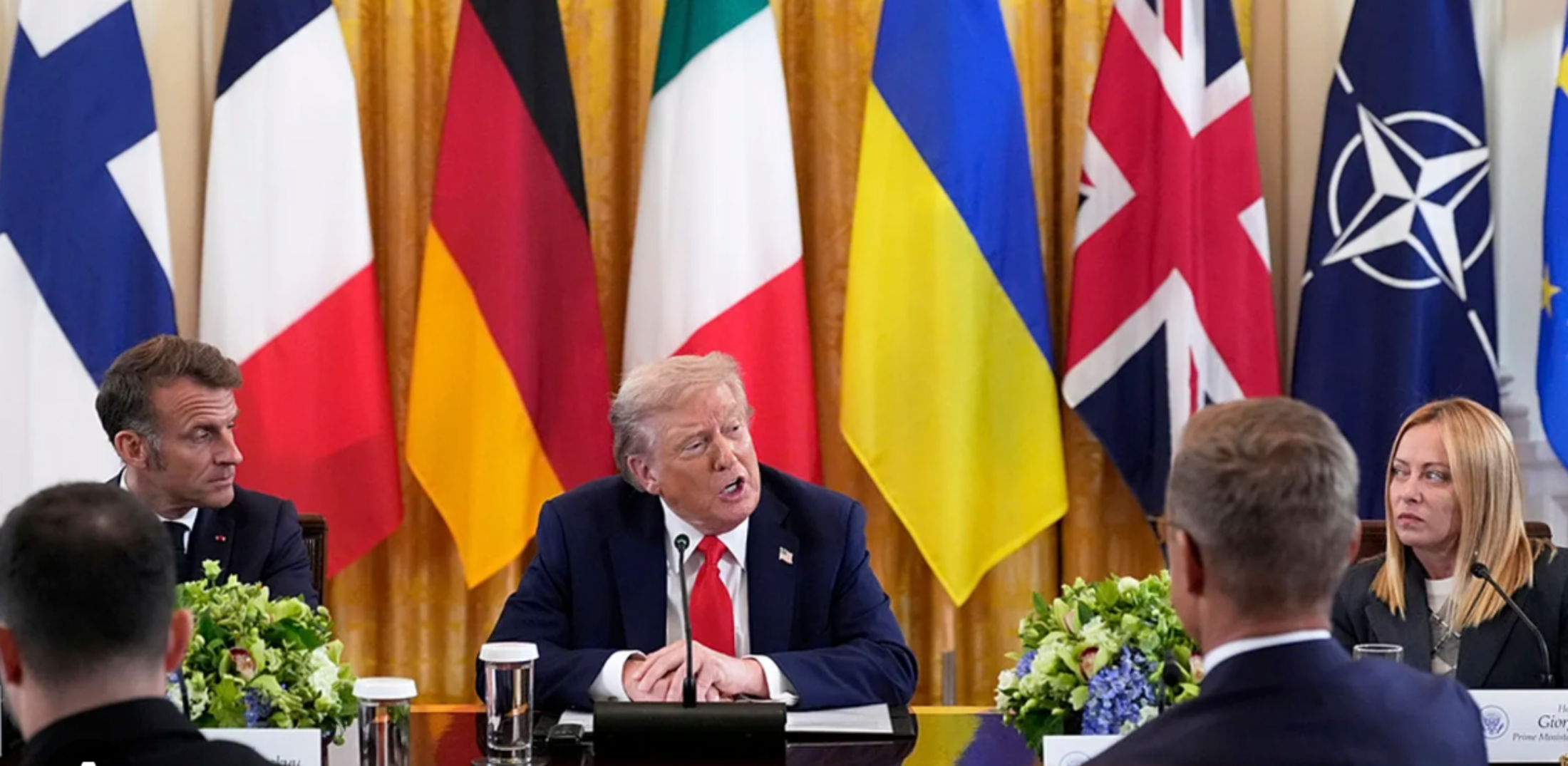
Kaja Kallas, the EU foreign policy chief, offered the characteristic formula: Maduro “lacks legitimacy,” the EU supports a “peaceful transition,” and “under all circumstances” international law must be respected—paired with a call for “restraint.” Ursula von der Leyen likewise emphasised solidarity with Venezuelans and insisted any solution must respect the UN Charter. The subtext was obvious: do not mention the seizure; do not name the violation; do not pick a fight with Trump while Ukraine still needs US backing.
National leaders then performed variations of the same choreography. Germany’s chancellor Friedrich Merz did not condemn the act; he sheltered behind procedural fog: the legal assessment is “complex” and requires “careful consideration.” France’s Emmanuel Macron praised the end of the dictatorship and spoke to María Corina Machado, but his public line avoided explicit confrontation with Washington; the sharper condemnation came instead from foreign minister Jean-Noël Barrot, who plainly said the capture “violates the principle of non-use of force that underpins international law”.
Elsewhere the urge to suppress legal scrutiny was barely disguised. Greece’s prime minister Kyriakos Mitsotakis effectively told audiences that law could wait: this is “not the time to comment on the legality”. Giorgia Meloni went further, legitimising it as a “defensive intervention”. The UK’s Keir Starmer invoked international law in the abstract while declining to apply it to the concrete case.
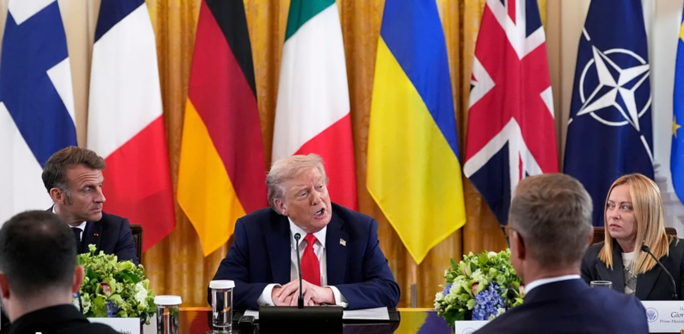
The net result was a Europe speaking in many voices, but mostly whispering or mumbling: happy Maduro is gone, nervous about how he was removed, and terrified of what Trump might do next.
Agrandissement : Illustration 2
Europe’s position rests on a real point: Maduro’s 2024 election was widely regarded as fraudulent, and many European governments have not recognised him as the legitimate president. But non-recognition is not a licence for foreign capture. Europe’s rhetorical move—delegitimise Maduro, then treat the manner of his removal as an awkward detail—reveals a deep hypocrisy that Russia, China, and every future aggressor can exploit.
The hypocrisy shows up in at least four ways:
- Legal principles become optional when the outcome is convenient. When Barrot warns that repeated violations of the non-use of force will have “heavy consequences,” he is describing exactly what much of Europe is enabling by refusing to confront the US openly. If legality matters only when Europe dislikes the target, it is not law; it is branding.
- Europe condemns spheres of influence—except when America asserts one.The operation reads like a hard reboot of a Monroe Doctrine logic (as Gessen notes, even rebranded in Trump’s rhetoric): the US can “run the country” and control its oil. Many EU leaders will denounce Russian imperial nostalgia, but they struggle to call American imperial practice by its name when it reappears in the Western Hemisphere.
- Europe invokes “peaceful transition” language while endorsing coercive regime change.** Von der Leyen and Kallas stress “peaceful transition,” yet they avoid naming a violent intervention as a violation. It is the diplomatic equivalent of saying “we oppose arson” while admiring the renovation.
- Fear of Trump becomes policy. The muted response is not rooted in careful jurisprudence; it is rooted in political calculation—above all, the belief that angering Trump might cost Europe on Ukraine. That is hypocrisy of a different kind: proclaiming values as universal while treating them as negotiable when the price rises.
This is not merely a moral failure. It is Europe signalling that international law is enforceable only against the weak and only when Washington approves. That message will be heard far beyond Caracas.
In the short term, the Maduro seizure may not “break” the transatlantic relationship. Europe is too dependent, and Trump is too transactional. But it will corrode the relationship’s foundations and accelerate a shift from alliance to “bargain”.
First, it increases Europe’s vulnerability to US pressure. If European capitals swallow a flagrant breach of the UN Charter because they need US support in Ukraine, they advertise that their red lines are movable. Trump will price that weakness in future negotiations—on trade, tech regulation, defence procurement, China policy, and migration cooperation.
Second, it widens the credibility gap between European rhetoric and action. EU diplomacy relies on persuasion: sanctions coalitions, multilateral coordination, “rules-based order” language. When Europe will not apply its own standards to the US, it loses leverage with the Global South, where accusations of Western double standards already run hot.
Third, it incentivises European far-right alignment with Trumpism. Leaders describing the action as legitimate “defensive intervention” help normalise a worldview where legality follows power. That pulls Europe internally toward the very illiberal politics it claims to resist—an echo of the broader dynamic Shada Islam describes in the Guardian: polished technocratic language masking a drift toward exclusion, securitisation, and selective rights.
Agrandissement : Illustration 3
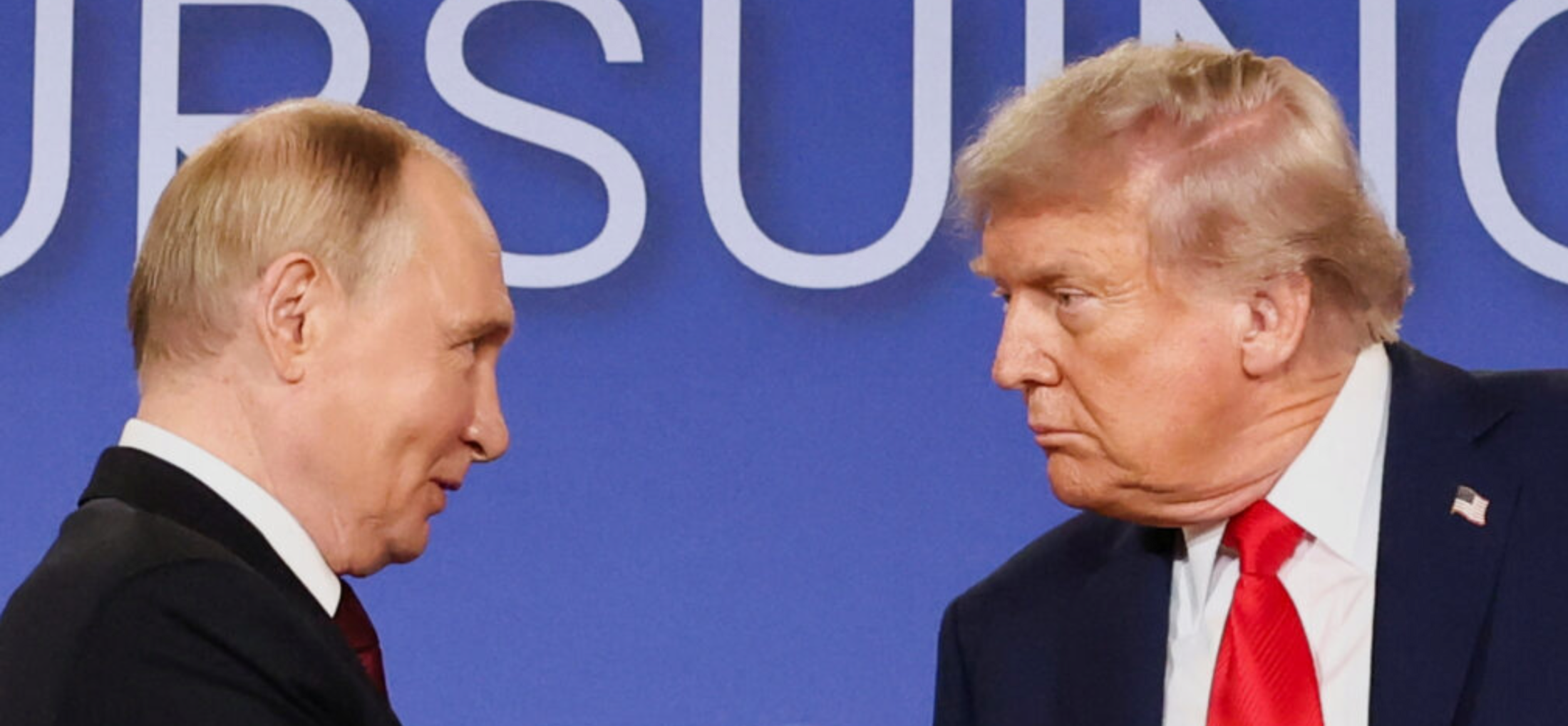
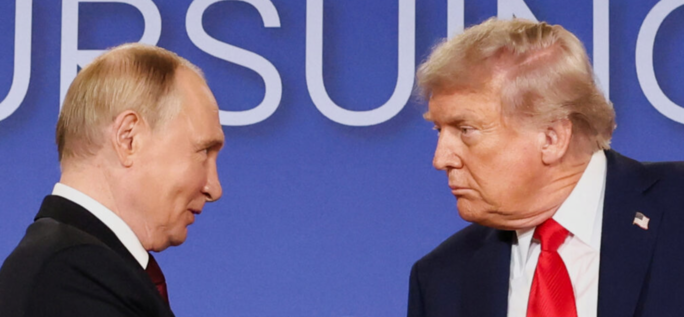
The most strategically dangerous consequence is not Venezuela. It is precedent. M. Gessen’s argument in his article in New York Times is brutal and persuasive: an illegal abduction in the name of liberation does not weaken Putin; it validates him.
It tells the world that great powers can seize leaders, invade states, and justify it with rhetorical packaging—democracy, security, drugs, extremists—while the institutions meant to adjudicate such claims look on, divided and impotent.
Putin’s propaganda machine does not need to prove that Trump and Russia are coordinated. It needs only to demonstrate that Western sermons about sovereignty and non-aggression are contingent. If Washington can claim “self-defence” because drugs transit a country, the category of self-defence becomes infinitely expandable—exactly Oona Hathaway’s warning. Once self-defence becomes the rule, the prohibition on force is dead.
That is a direct gift to Moscow’s strategic objective in Europe: to degrade the norms that protect small and medium states, and to replace them with a world of “spheres,” coercion, and faits accomplis. In that world, Europe’s security becomes less about law and deterrence, more about whether the US chooses to protect it—and whether Russia judges Europe too divided to resist.
Europe’s deterrence posture depends on three pillars: credible US commitment, European military capacity, and a stable legitimacy narrative that keeps coalitions together (domestically and internationally). The Maduro seizure weakens all three. It makes US policy look personalistic and extractive; it exposes Europe’s dependence and fear; and it undermines the legitimacy narrative against Russian aggression by showing that the West itself treats sovereignty as conditional.
Meanwhile Russia’s hybrid escalation—sabotage, interference, infrastructure disruption—thrives in ambiguity. The more the legal order is degraded, the more ambiguity becomes a weapon. And the more Europe signals it will avoid confrontation with Washington at all costs, the more Russia learns that Europe’s loudest values are also its easiest to intimidate out of existence.
Europe’s tragedy is that it still speaks like a guardian of rules while acting like a client in an empire’s antechamber. If it continues, Europe will discover that timidity does not buy safety. It buys contempt—from allies who can extract concessions, and from adversaries who smell opportunity.