



Yesterday’s 14-point ceasefire and integration agreement between Damascus and the SDF, signed under duress after HTS-led advances, forces Kurdish forces into a strategic retreat east of the Euphrates.
It confirms what battlefield dynamics already established: the SDF is the losing side, stripped of territory, resources, and bargaining power in a matter of weeks.
Damascus’ coercive reintegration drive is colliding with the SDF’s survival instincts and Ankara’s long-standing goal of dismantling Kurdish self-rule on its border. The endgame looks less like a negotiated unification and more like a forced consolidation, with proxy violence and tribal fractures doing the heavy lifting.
In the long run, the deal in Damascus, however fragile, also weakens the bulwark against ISIS resurgence, as Damascus seems to assume fragmented control over volatile detention sites amid proxy-fueled instability.
Far from a balanced deal, this capitulation—driven by what the Kurdish side sees as Turkey’s orchestration of HTS offensives in Aleppo, Raqqa, and Deir ez-Zor—not only leaves the SDF as the unequivocal loser, with eroded operational independence and vanishing local legitimacy, but also delivers death blows to the remnants of the illusions of the Kurdish Political Movement in Turkey, which was kept “running empty” under a murky, so-called “peace process.”
Having engineered the “political containment” of the strained Kurdish politics at home, Ankara emerges as having advanced its power projection—with the help of the U.S.A.—in Syria. Turkish Foreign Minister Hakan Fidan had warned in December that the SDF was obstructing Syria’s stabilization “in coordination with Israel,” framing the coming escalation as necessary for regional security.
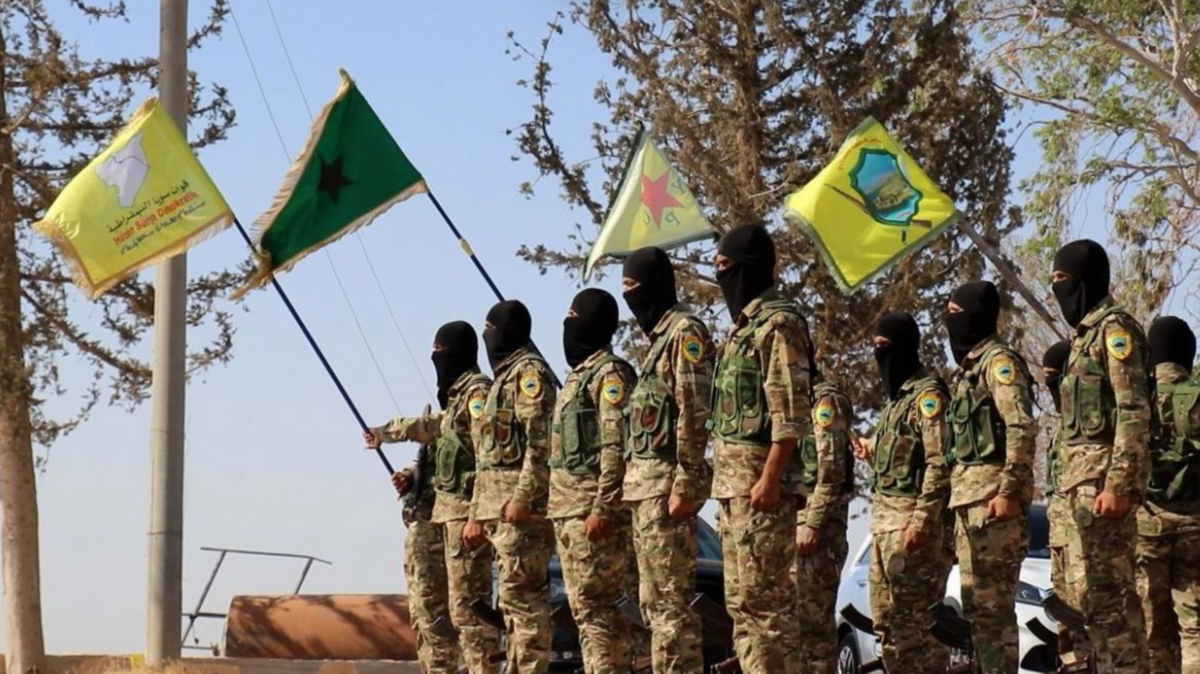
Agrandissement : Illustration 1
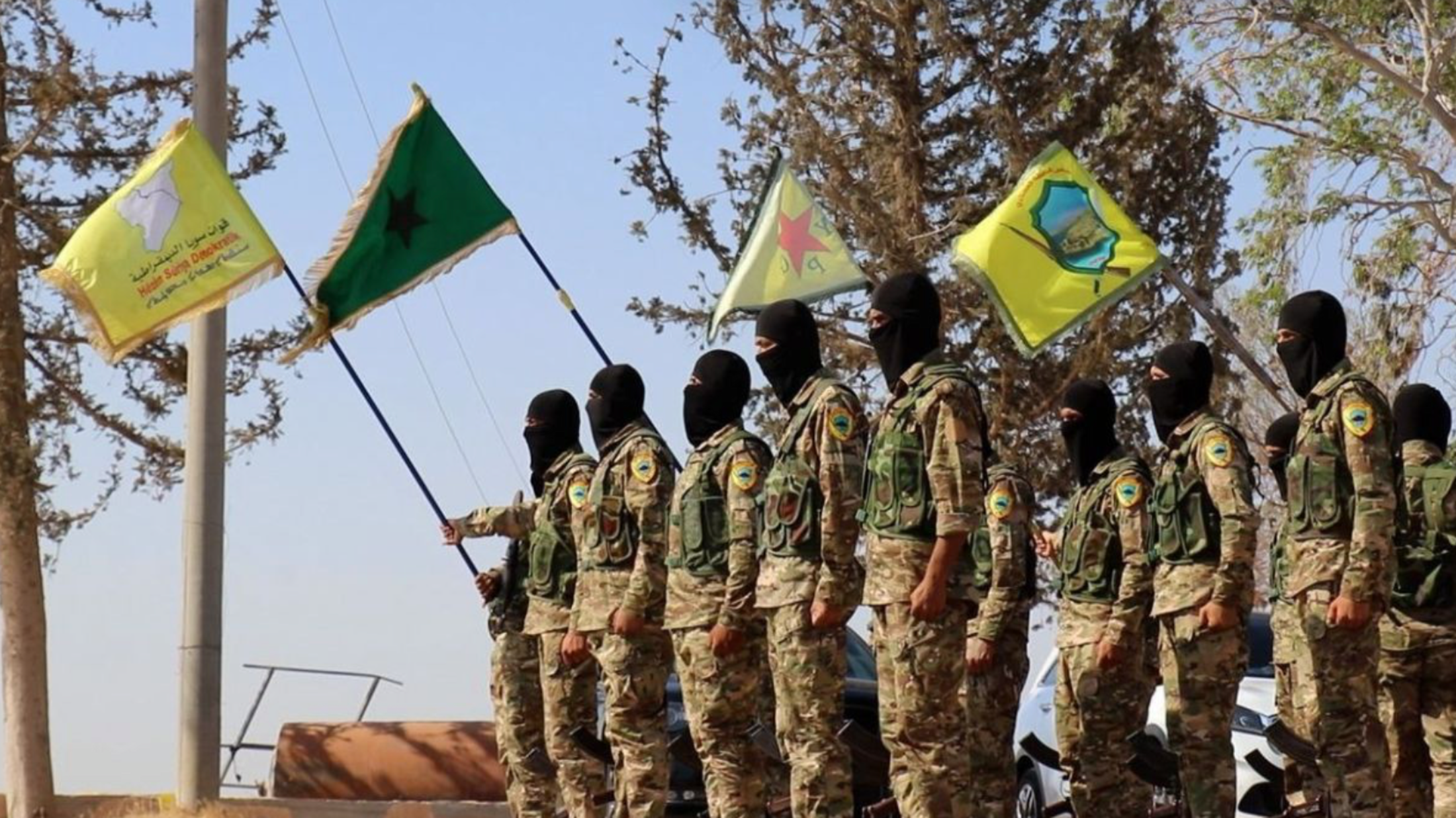
When the offensive began in early January, Turkish-aligned Syrian National Army forces joined HTS units in pressuring Kurdish neighborhoods, turning localized clashes into a broader anti-SDF campaign that allowed Damascus to advance rapidly while maintaining plausible deniability about direct Turkish involvement.
The timing was deliberate: Turkey offered Damascus support against the SDF while leveraging HTS as the operational force, thereby achieving rollback of Kurdish autonomy without formal state-to-state confrontation. This proxy ecosystem allowed Ankara to apply decisive pressure while keeping escalation adaptable, fulfilling its strategic objective of dismantling what it views as a “PKK extension” on its border.
The March 10, 2025 deal—publicly framed as a roadmap to integrate the SDF into state institutions—did not produce stability; instead, it became a reference point each side used to accuse the other of non-compliance. Damascus insisted the SDF sent “contradictory signals” about implementation, while the SDF resisted individual-based integration that would dissolve its command structure.
As that framework stalled, armed escalation expanded, with Arab tribes in SDF-held areas signaling their willingness to back Damascus in exchange for economic investment and governance legitimacy the SDF could not provide.
Yesterday’s agreement makes the power imbalance explicit. The SDF accepted “full and immediate administrative and military handover” of Raqqa and Deir ez-Zor, withdrawal of all forces east of the Euphrates, and individual vetting for integration into Syrian military and security forces—stripping organized Kurdish units of institutional continuity.
Point four of the deal mandates Syrian government control over “all border crossings, oil fields, and gas fields in the region,” transferring both revenue streams and strategic nodes to Damascus. The result is a sequencing problem solved by force: Damascus weakened the SDF’s bargaining position on the battlefield, then offered administrative roles and absorption on terms set in the capital.
The SDF’s losses extend far beyond territory. Operationally, it lost the independence to maneuver without external support, forcing a retreat into fragmented pockets east of the Euphrates that are difficult to defend and harder to govern as a unified entity.
Strategic infrastructure—water, energy, logistics—is now expected to fall under Damascus control, slashing SDF revenues and increasing dependency on central government decisions about resource allocation. The capture of Syria’s largest oil field alone represents an economic blow, weakening the revenue base that sustained local administration and armed forces.
Geographic integrity is fractured too: the northeast is no longer a contiguous zone but two separate pockets, making the claim to territorial autonomy militarily expensive and politically implausible. Institutions splintered as the security umbrella thinned, undermining the administrative legitimacy the SDF had built since 2016.
Crucially, local partnerships collapsed. Arab-majority areas welcomed Syrian forces as liberators, and tribes—like the large-scale Shammar—that once was subordinated SDF governance shifted allegiance to Damascus, some even contributing fighters to the government advance.
This legitimacy erosion is decisive: when populations in Raqqa and Deir ez-Zor view SDF withdrawal as a relief rather than a loss, the project of autonomous governance loses its societal foundation.
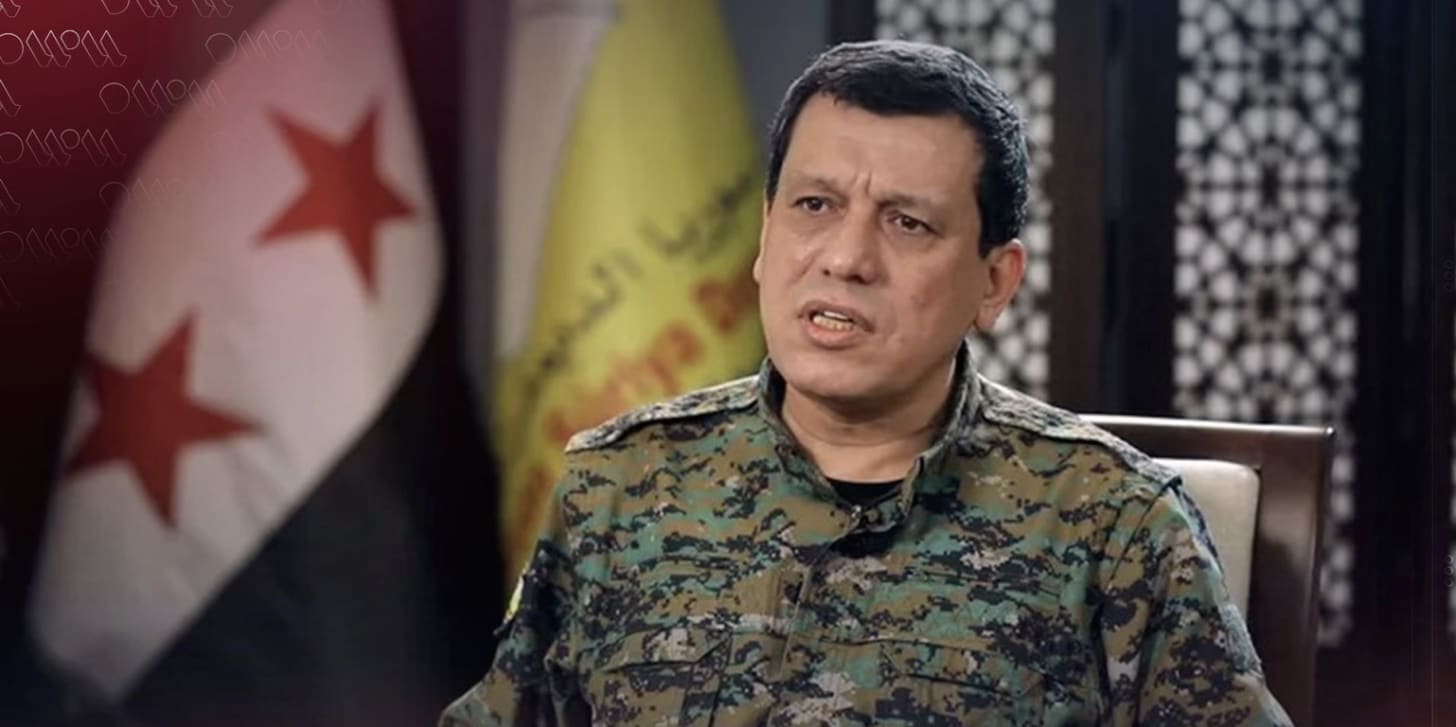
For SDF leader Mazlum Abdi, the agreement represents personal diminishment. Instead of a senior national post, he is offered governorship of Hasakah—subordinate to Syria’s foreign minister—and one of several provincial governors within a centralized state structure. The shift from autonomy champion to regional administrator signals how completely the balance of power has shifted.
How does Ankara view the deal?
Clearly, with satisfaction.
Only hours before the agreement was announced, Devlet Bahçeli, the leader of the ultra-nationalist party, the MHP, and the de-facto ally of President Recep Tayyip Erdoğan, issued a written statement which concludes with an 8-point roadmap.
Juxtaposed with the 14-point text that was delivered in Damascus, there were very few points that didn’t seem synchronized. (There was not a single mention of ISIS element in the text.)
More importantly, Bahçeli emphasized that he agrees with the earlier decree by Syrian leader Al-Sharaa, dated January 16, which underlines a “unitary” structure (denying federalism) and offering Syrian Kurds only limited cultural rights (such as education in native tongue), revealing in essence how “involved” Ankara is in exerting its power as a co-designer of Syria’s future.
Damascus’ core objective now is to rebuild a centralized security order in eastern Syria while neutralizing competing armed structures, including those that formed under the anti-ISIS coalition umbrella.
From this angle, “integration” is not a power-sharing bargain but a sequencing problem: first weaken the SDF’s bargaining position, then offer administrative roles and institutional absorption on terms set in the capital.
When regular forces enter zones previously managed by Kurdish-led authorities, every move triggers chain reactions among local communities, rival militias, and outside patrons. That kind of incremental advance can look “limited” on a map, yet it steadily dismantles the informal boundaries that kept Syria’s post-2020 order from collapsing into another nationwide war.
The long-run battle against ISIS now faces renewed vulnerability. The SDF holds approximately 9,000 ISIS fighters in 20 prisons and 38,000 individuals—many family members of fighters—in camps. Yesterday’s agreement is to transfer responsibility to Damascus amid integration chaos, raising questions about continuity of vigilance and regrouping of jihadists.
If the handover is mismanaged or if Damascus prioritizes consolidation over counter-terrorism operations, ISIS exploitation of vacuums becomes more likely. Tribal fractures and proxy violence already provide openings for clandestine networks, and a weakened SDF means the frontline force against ISIS for the past decade is being dissolved precisely when sustained pressure is needed most.
Needless to add, perhaps, the magnitude of the trauma the latest twists and turns in the Syrian theater encompass for the Kurds. After the defections of the Arab tribes, the SDF may be on its way to being dissolved, to be diminished into a purely Kurdish component, the YPG—in command, but minor.
Now, a major question lingers in the air: Will the HTS- and jihadist-backed Syrian Army forces respect the ceasefire, or continue to advance to gain as much territory as the chaotic global conjuncture makes possible?
And there would probably be another consequence, which exposes the myopia of EU leaders—Ursula von der Leyen and Antonio Costa—who naively hope that, even under current circumstances, Syrian refugees will leave Europe for good: on the contrary, as jihadist advances continue, they should expect another wave of exodus, this time from Syria’s Kurds.
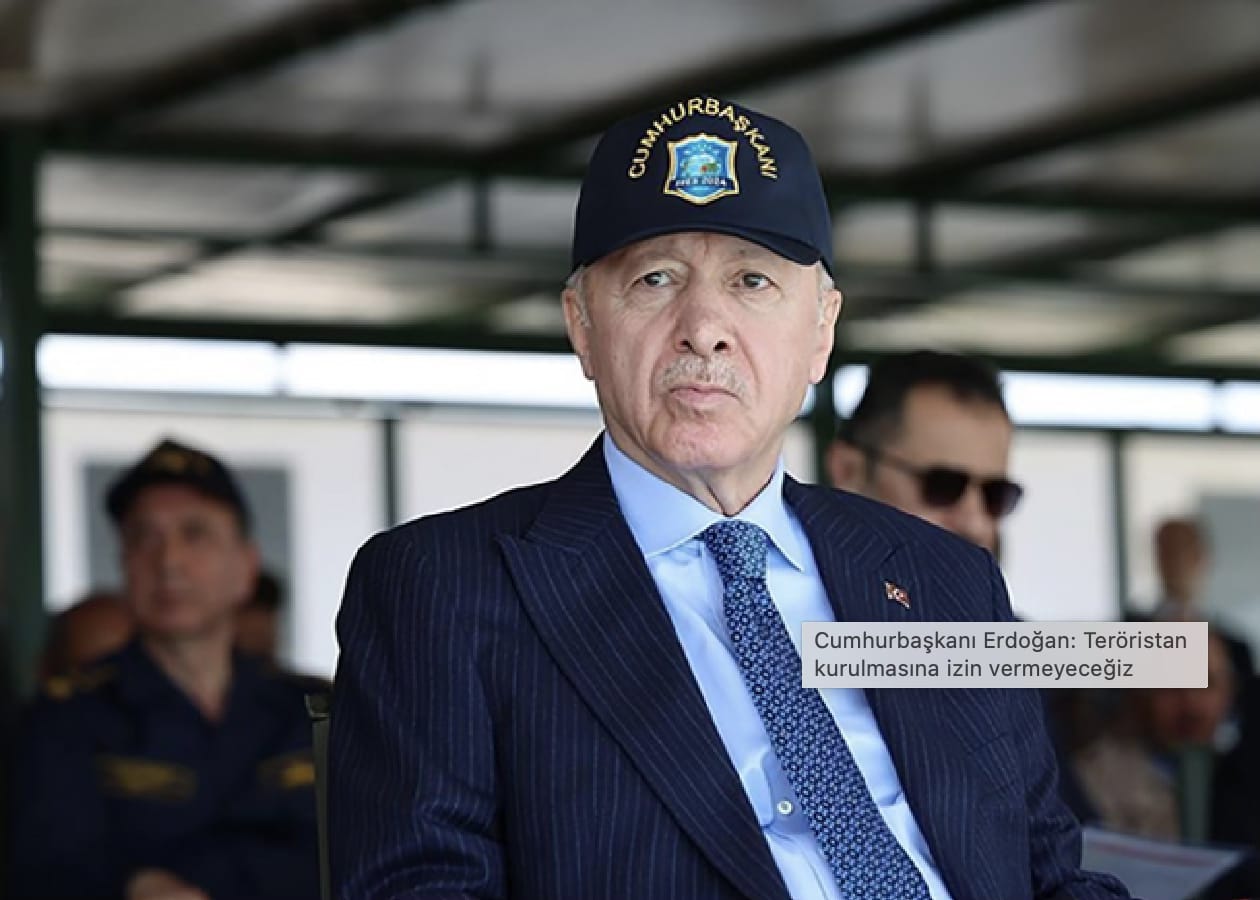
Ankara’s strategy is unchanged. “Turkey will never allow the separatist organization to establish a terror state just beyond its southern borders in northern Syria and Iraq,” Erdoğan had said in May 2024.
What we witness these days is the consequences of these—often repeated—pledges.
Kurds lose, once more.